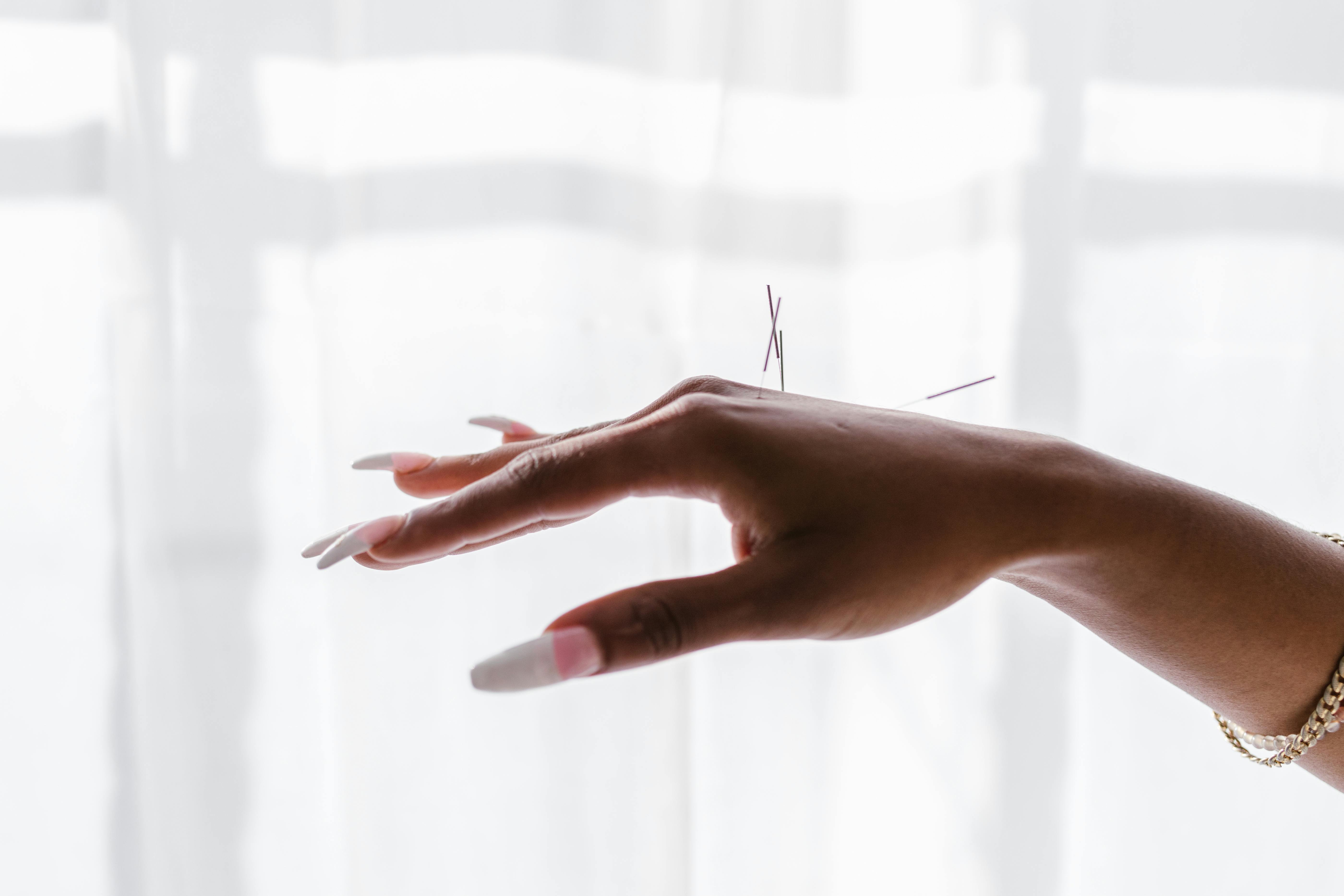
As the demand for holistic and integrative health solutions grows, the exploration of alternative therapies such as dry needling gains prominence. Particularly in regions known for their health and wellness focus, like Tweed Heads, dry needling is becoming a preferred technique among osteopathy practitioners. This therapeutic approach is often sought after for its effectiveness in alleviating muscle tension and chronic pain, providing a complementary option to traditional treatments.
Understanding Dry Needling
Dry needling is a technique used by trained health professionals, including osteopaths, to treat myofascial pain. This involves the insertion of fine needles into trigger points within muscles, aiming to release tension and improve blood flow. Unlike acupuncture, which is rooted in traditional Chinese medicine, dry needling is based on modern Western medical principles.
How It Works
- Targeting specific muscle trigger points to alleviate pain.
- Enhancing the function of affected areas by improving circulation.
- Encouraging the release of natural pain-relieving chemicals within the body.
The practice is grounded in a scientific understanding of muscle anatomy and the nervous system, allowing practitioners to address issues with precision. For those interested in the specifics of these techniques, discover expert strategies here.
Benefits of Dry Needling in Osteopathy
For many patients, dry needling provides a range of benefits that enhance the outcomes of their osteopathic treatment. Here are some key advantages:
- Reduction of muscle tension and spasm.
- Improvement in joint mobility and flexibility.
- Accelerated recovery from injuries.
- Relief from chronic conditions like fibromyalgia and tension headaches.
These benefits make dry needling an attractive option for individuals seeking a comprehensive approach to managing pain and improving overall functional health. To learn about tailored solutions that incorporate these techniques, consider seeking professional guidance.
Comparing Dry Needling with Other Techniques
While dry needling shares some similarities with acupuncture, it is fundamentally different in its application and objectives. Acupuncture is based on balancing the body’s energy flow, whereas dry needling is solely focused on musculoskeletal and neuromuscular issues.
Key Differences
- Technique: Dry needling targets specific muscle trigger points; acupuncture targets energy meridians.
- Philosophy: Dry needling is grounded in Western medicine; acupuncture in Eastern philosophy.
- Purpose: Dry needling aims at musculoskeletal pain relief; acupuncture addresses a wider range of ailments.
Understanding these distinctions can help patients make informed decisions about their treatment options. For those keen to explore advanced guides and tips on dry needling, the available resources can provide valuable insights.
Choosing the Right Practitioner in Tweed Heads
When considering dry needling, selecting a qualified and experienced practitioner is crucial. Here are a few pointers to consider:
- Ensure the practitioner is licensed and trained in dry needling techniques.
- Check for additional credentials or certifications in osteopathy.
- Seek recommendations or reviews from previous patients.
- Discuss specific health concerns and treatment objectives beforehand.
Finding the right professional can significantly impact the effectiveness of the treatment. Find out more about this approach and explore options within the Tweed Heads area for optimal results.
As the interest in alternative therapies continues to grow, dry needling remains a compelling choice for those seeking relief from musculoskeletal pain. With its scientific basis and proven effectiveness, it stands as a testament to the evolving landscape of integrative health practices.