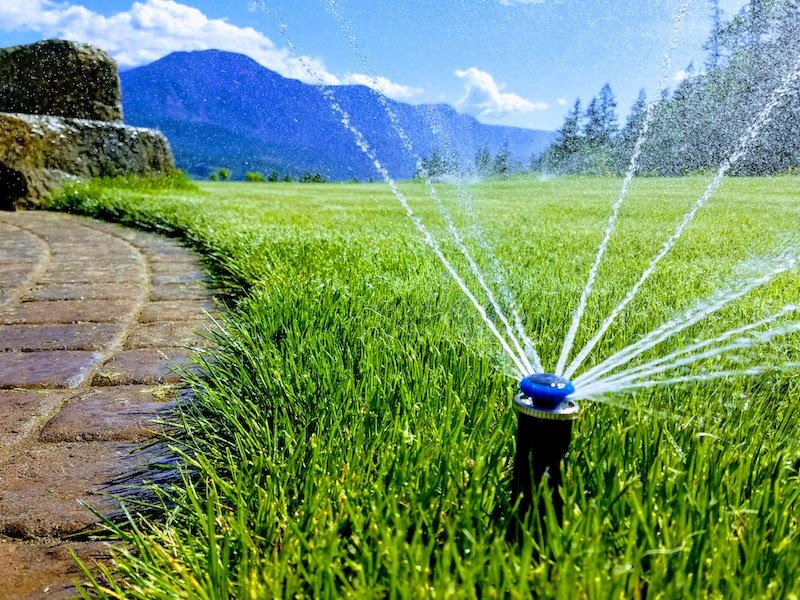
In the quest for sustainable landscaping, the adoption of smart irrigation systems is emerging as a pivotal transition. These systems not only optimize water usage but also enhance the overall health and aesthetics of landscapes. As environmental concerns deepen and water resources become increasingly scarce, the shift to intelligent irrigation becomes not just beneficial but necessary. By integrating advanced technology and innovative design, smart irrigation systems offer a modern solution to traditional landscaping challenges.
The Advantages of Smart Irrigation Systems
Smart irrigation systems are designed to conserve water and improve efficiency. They offer a multitude of benefits that traditional systems cannot match. Here are some key advantages:
- Water Conservation: Smart systems adjust water usage based on weather conditions, soil moisture, and plant requirements, reducing waste.
- Cost Efficiency: By minimizing water waste, these systems can significantly lower utility bills.
- Remote Monitoring and Control: Many smart systems come with mobile apps that allow you to monitor and control your irrigation setup from anywhere.
- Increased Plant Health: Precise watering schedules ensure that plants receive the right amount of water, promoting healthier growth.
For those interested in deeper insights into these benefits, discover expert strategies here.
Key Features of a Smart Irrigation System
Weather-Based Adjustments
One of the standout features of smart irrigation systems is their ability to automatically adjust based on real-time weather data. This ensures that landscapes are not overwatered during rain or underwatered during dry spells. Learn about our tailored solutions that incorporate these advanced weather-based adjustments.
Soil Moisture Sensors
These sensors provide critical data on soil moisture levels, ensuring that irrigation schedules are aligned with actual soil conditions. This precision helps in maintaining optimal moisture levels, thereby supporting plant health and reducing water use. Explore advanced guides and tips for implementing soil moisture sensors effectively.
Smart Controllers
Smart controllers are the brain of the irrigation system. They allow for programming of irrigation schedules and can be adjusted manually or automatically based on sensor data and weather forecasts. These controllers enhance the flexibility and responsiveness of the irrigation system, adapting to landscape needs seamlessly.
Implementing Smart Irrigation: Steps to Follow
Transitioning to a smart irrigation system involves several critical steps:
- Assessment: Evaluate current irrigation practices and identify areas for improvement.
- Design: Develop a tailored system design that meets specific landscape needs.
- Installation: Professionally install the smart system, integrating necessary components like controllers, sensors, and valves.
- Maintenance: Regularly update and maintain the system to ensure optimal performance.
For a comprehensive understanding of these steps, find out more about this approach.
Conclusion
Smart irrigation systems represent a forward-thinking approach to sustainable landscaping. By leveraging technology, these systems offer a reliable solution to the challenges of water conservation and plant health. Whether upgrading an existing irrigation setup or designing a new landscape from scratch, smart irrigation systems provide a robust platform for achieving environmental sustainability and economic efficiency. Embracing this technology is a step towards a more sustainable future, where resources are managed wisely, and landscapes thrive.