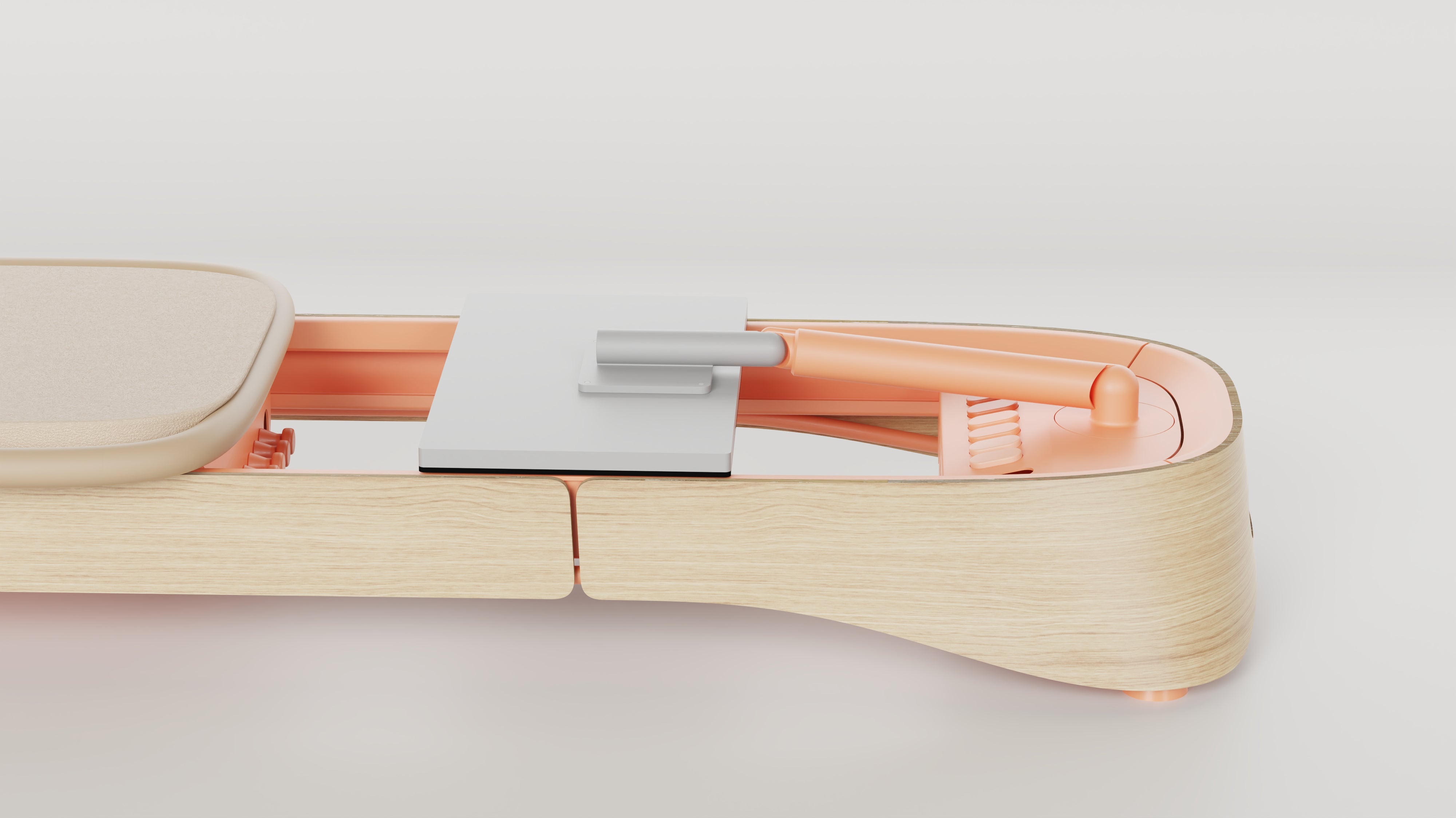
When setting up a home Pilates studio, the choice of reformer can dramatically influence both the quality of workouts and the longevity of the equipment. Two popular options dominate the market: wooden Pilates reformers and frame (metal) reformers. Each brings distinct advantages in terms of aesthetics, performance, durability, and cost. Understanding these differences helps enthusiasts make an informed decision that aligns with space constraints, budget, and training goals.
Design and Aesthetics
Wooden reformers are celebrated for their warm, natural appearance. The timber frame blends seamlessly with home d??cor, especially in spaces that favor a minimalist or Scandinavian look. In contrast, frame reformers rely on steel or aluminum structures, delivering a sleek, industrial vibe that can feel more gym-like.
Key visual considerations
- Wood finish: Available in light maple, walnut, or bamboo, allowing customization to match flooring or furniture.
- Metal finish: Typically powder-coated in matte black, chrome, or gunmetal, offering a modern, neutral palette.
- Footprint: Wooden units often have a slightly larger perimeter due to the bulk of the wood, while frame models are engineered for compactness.
Performance and Mechanics
Both reformer types operate on the same fundamental principle, a moving carriage attached to springs or a resistance system. However, material choice influences feel, noise level, and adjustability.
Resistance and Feel
- Wooden frames tend to absorb vibrations, providing a smoother glide and quieter operation, ideal for shared living spaces.
- Metal frames transmit less flex, which can give a more precise, “hard-core” resistance feel favored by athletes seeking maximum control.
Adjustability
Most high-quality reformers, regardless of material, feature adjustable footbars, headrests, and spring stacks. When evaluating options, look for models that allow quick changes without tools, a feature frequently highlighted on product pages such as Discover expert strategies here.
Durability and Maintenance
Longevity is a primary concern for home users who expect their equipment to endure years of daily practice.
- Wooden reformers: Properly sealed hardwood resists moisture and scratches, but they require occasional polishing and protection from direct sunlight to prevent fading.
- Frame reformers: Steel or aluminum is inherently resistant to humidity and temperature changes, demanding only occasional dusting.
For those who prioritize low-maintenance solutions, the metal option often edges out the wooden counterpart. Nonetheless, the right wood finish, combined with a protective coating, can match that durability while retaining aesthetic appeal.
Space Requirements and Portability
Home studios vary from spacious spare rooms to compact apartments. Selecting a reformer that fits comfortably is essential.
Footprint comparison
- Standard wooden reformers measure roughly 120″?cm”???”?80″?cm, with a weight of 70-90″?kg.
- Frame reformers can be as slim as 100″?cm”???”?70″?cm and often incorporate fold-away mechanisms, reducing storage weight to 45-60″?kg.
If the reformer needs to be moved frequently, perhaps to a living room for a family workout session, a frame model’s lighter build becomes a decisive factor. Detailed specifications can be explored at Learn about our tailored solutions.
Cost Considerations
Budget constraints influence many purchasing decisions. Generally, wooden reformers command a higher price due to material costs and craftsmanship. Frame reformers, produced with mass-manufacturing techniques, often provide a more economical entry point.
- Wooden reformer price range: $2,000″?-“?$4,500.
- Frame reformer price range: $1,200″?-“?$2,800.
While the upfront investment differs, consider long-term value. A well-crafted wooden unit may retain resale value better, whereas a metal reformer’s lower price can free up budget for additional accessories like resistance bands or a dedicated mat.
Choosing the Right Reformer for Your Home
To determine the optimal choice, evaluate the following criteria against personal priorities:
Checklist
- Visual harmony: Does the reformer need to blend with existing d??cor?
- Noise tolerance: Is a quiet glide essential for shared living spaces?
- Space constraints: How much floor area is available, and is portability required?
- Budget ceiling: What is the maximum spend, including potential accessories?
- Longevity expectations: Will the equipment be used daily for years?
By answering these questions, the decision becomes clearer. For a serene, design-focused environment, a wooden reformer often shines. For compact, high-performance setups, a frame reformer typically offers the best balance.
Additional Resources
Further reading can deepen understanding of technique, maintenance, and program design. Helpful articles include:
- Explore advanced guides and tips on selecting spring stacks and customizing resistance.
- Find out more about this approach to integrating Pilates reformer work into daily routines.
Choosing between a wooden Pilates reformer and a frame reformer ultimately hinges on personal style, functional needs, and budget. Both options deliver the core benefits of Pilates, core strength, flexibility, and balanced movement, when paired with consistent practice. By weighing aesthetics, performance, durability, space, and cost, home practitioners can select a reformer that not only supports their fitness goals but also enhances the overall atmosphere of their private studio.