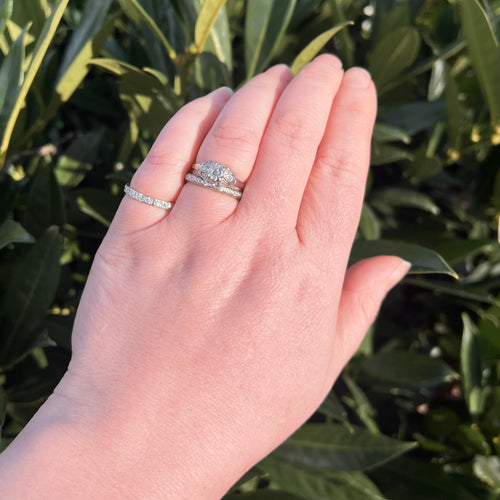
Antique jewelry possesses a unique allure that bridges the gap between history and artistry. Every piece carries with it a rich tapestry of stories and craftsmanship from a bygone era. Collectors and enthusiasts alike are drawn to the timeless elegance and the intricate details that define these treasures. As the trend for vintage continues to grow, understanding how to explore and appreciate antique jewelry is increasingly important. This article delves into the world of vintage charm, offering insights into finding and valuing antique jewelry.
Understanding Antique Jewelry
Antique jewelry is typically defined as pieces that are over 100 years old. They are often categorized by the period or style in which they were made, such as Georgian, Victorian, Art Nouveau, or Edwardian. Each period has its own distinct characteristics:
- Georgian Era (1714-1837): Known for its intricate metalwork and use of gemstones like diamonds and sapphires.
- Victorian Era (1837-1901): Features romantic motifs and the use of colorful gemstones.
- Art Nouveau (1890-1910): Emphasizes natural forms and flowing lines.
- Edwardian Era (1901-1915): Recognized for its elegance and use of platinum and diamonds.
To delve deeper into the characteristics of these eras, discover expert strategies here.
The Appeal of Vintage Jewelry
There are several reasons why antique jewelry continues to captivate collectors:
- Unique Designs: Each piece is a one-of-a-kind creation, reflecting the artistry and techniques of its time.
- Historical Significance: Antique jewelry offers a glimpse into the past, providing context and connection to historical events and cultural shifts.
- Investment Potential: Due to their rarity, antique pieces often appreciate in value over time.
For those interested in the investment aspect, find out more about this approach and how to assess the value of antique jewelry.
How to Identify Authentic Antique Jewelry
Ensuring the authenticity and quality of antique jewelry requires careful examination. Here are some tips:
Examine the Craftsmanship
Look for signs of handcrafting, such as irregularities in the metalwork or stone settings, which indicate the piece was made before mass production techniques. Explore advanced guides and tips for recognizing these features.
Check for Hallmarks
Hallmarks can provide information about the origin, maker, and metal content of a piece. Familiarize yourself with hallmarking systems used in different countries and periods.
Research Provenance
Provenance refers to the history of ownership. Provenance can enhance the value of a piece if it can be traced to a notable person or event.
For further guidance on verifying authenticity and provenance, learn about our tailored solutions.
Where to Find Antique Jewelry
Finding genuine antique jewelry requires knowing where to look:
- Estate Sales and Auctions: These events can be treasure troves of unique pieces with rich histories.
- Antique Shops: Specialized stores offer curated collections, often with knowledgeable staff to assist with purchases.
- Online Marketplaces: Digital platforms provide access to a wide array of pieces, but require careful vetting to ensure authenticity.
Whether shopping in-person or online, understanding what to look for can greatly enhance the collecting experience. Explore advanced guides and tips for navigating these markets successfully.
Conclusion
Antique jewelry offers a unique blend of history, artistry, and investment potential. Whether you are a seasoned collector or a newcomer, appreciating the nuances and craftsmanship of these pieces can be an enriching endeavor. As interest in vintage styles continues to grow, the allure of antique jewelry remains as captivating as ever. For more in-depth insights into the world of antique jewelry, discover expert strategies here.