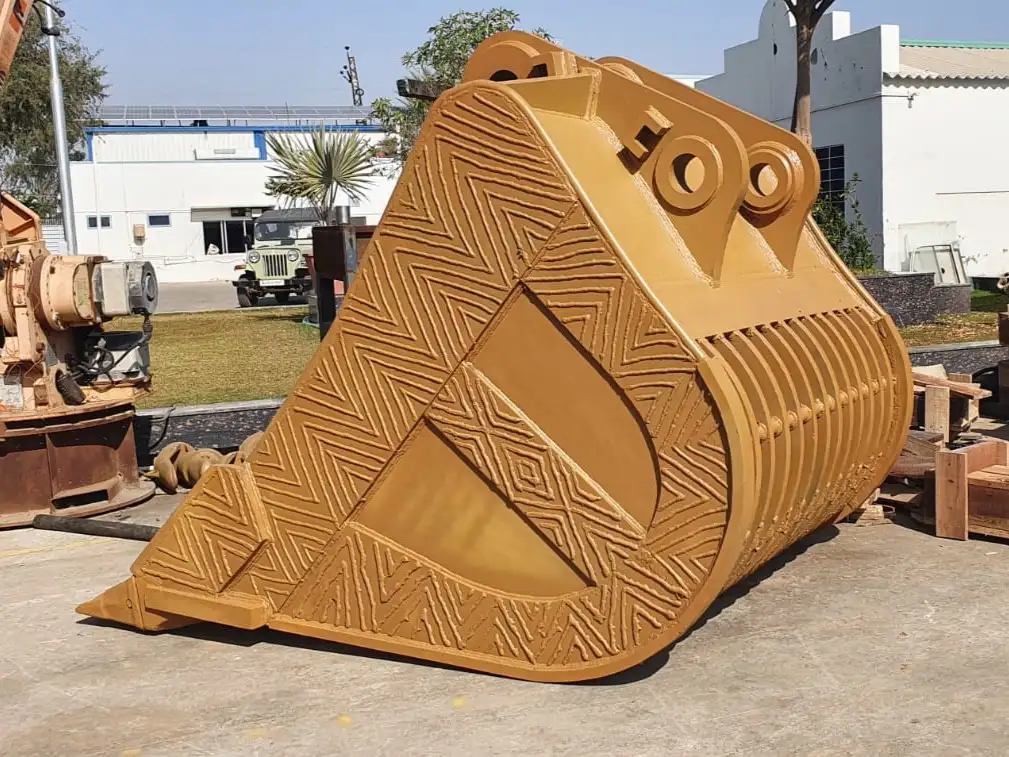
Upgrade Your Equipment: Exploring the Best Buckets for Excavators
In the world of heavy machinery, the efficiency and productivity of an excavator can be significantly enhanced by equipping it with the right bucket. Whether it”?s for digging, grading, or material handling, selecting the appropriate bucket for excavator tasks is crucial for optimizing performance and ensuring operational success. This article delves into the various types of excavator buckets available, highlighting their unique features and benefits.
Understanding the Basics of Excavator Buckets
Excavator buckets are integral components that determine the functionality of the machine. They come in a variety of designs, each tailored for specific tasks. Choosing the right bucket involves understanding the requirements of the operation and the nature of the material being handled.
Types of Excavator Buckets
- General Purpose Buckets: Ideal for light-duty applications such as digging and loading soft soil and materials.
- Heavy Duty Buckets: Designed for more rigorous tasks, these buckets are reinforced to handle abrasive materials like rock and gravel.
- Skeleton Buckets: Best suited for separating finer materials from larger debris, facilitating easier sorting and sifting.
- Trenching Buckets: Narrower in design, perfect for digging trenches for utility lines and pipes.
- Tilting Buckets: Allow for angle adjustments, providing flexibility in grading and leveling tasks.
Considerations When Choosing a Bucket
Selecting the right excavator bucket involves evaluating several factors to ensure compatibility and efficiency. Here are critical aspects to consider:
Material Composition
Understanding the type of material to be handled is essential. For instance, a bucket for excavator that frequently works with abrasive materials should be made from high-strength, wear-resistant steel.
Bucket Capacity
The size and capacity of the bucket should align with the excavator”?s power and hydraulic capabilities. Overloading can lead to mechanical failures and decreased efficiency.
Work Environment
Consider the operational environment. Buckets designed for urban construction sites differ from those used in mining or agricultural settings.
Attachment Compatibility
Ensure that the bucket is compatible with the excavator’s attachment system to avoid costly modifications and downtime.
Innovations in Bucket Design
Advancements in technology have led to innovative designs that enhance the functionality and efficiency of excavator buckets.
Smart Attachments
Some modern buckets come equipped with sensors and smart technology that provide real-time data on load weight and material type, optimizing the excavation process.
Enhanced Durability
Innovations in materials and coating techniques have resulted in buckets that offer extended durability and reduced maintenance costs.
Conclusion
Upgrading an excavator”?s bucket is a strategic decision that can significantly impact productivity and operational efficiency. By understanding the different types of buckets and considering the specific needs of the work environment, operators can select the most suitable bucket for excavator tasks. This ensures not only enhanced performance but also longevity and optimal return on investment.