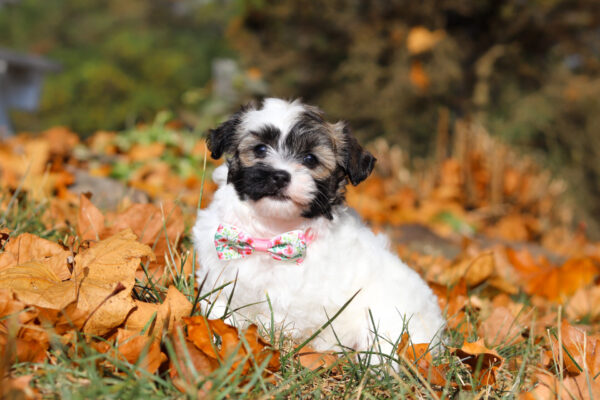
Crate training is a valuable tool for new puppy owners, offering a structured environment for puppies to learn house rules and establish good behavior. When done correctly, crate training can provide a safe haven for your puppy and help in managing their natural instincts. While the process may seem daunting at first, with patience and consistency, it can be a rewarding experience for both you and your furry friend. By understanding the principles behind crate training and implementing effective strategies, you can guide your puppy towards becoming a well-adjusted member of your household.
Understanding the Basics of Crate Training
Crate training utilizes a dog’s natural instinct to seek out a den-like environment. This instinctual behavior can be harnessed to create a positive association with the crate, turning it into a place of comfort and security. The key to successful crate training is to ensure that the crate is never used as a form of punishment but instead as a tool for positive reinforcement.
Key Benefits of Crate Training
- Helps in housebreaking by teaching bladder control.
- Provides a safe space for your puppy when unsupervised.
- Reduces anxiety by creating a familiar environment.
- Aids in managing destructive behavior.
- Facilitates travel by acclimating the puppy to confined spaces.
Steps to Effective Crate Training
The process of crate training should be gradual and consistent. Here are some essential steps to follow:
Step 1: Introducing the Crate
Begin by placing the crate in a common area where your puppy spends a lot of time. Allow them to explore the crate at their own pace without any pressure. You can make it inviting by placing soft bedding and some of their favorite toys inside. Find additional information here on how to make the crate enticing.
Step 2: Encouraging Voluntary Entry
Once your puppy is comfortable around the crate, encourage them to enter by placing treats inside. Use a positive tone of voice and offer praise when they go in. Avoid closing the door at this stage; the goal is to create a positive association with the crate. Read more about this topic to learn how to build positive connections.
Step 3: Gradual Confinement
After your puppy is willingly entering the crate, start closing the door for short periods while you are present. Gradually increase the duration as your puppy becomes more comfortable. Remember to reward them for staying calm and relaxed. Learn more in this detailed guide on how to extend confinement times effectively.
Step 4: Establishing a Routine
Consistency is crucial in crate training. Establish a routine by having set times for crate use, such as during meals or naps. A predictable schedule helps your puppy understand when to expect crate time, reducing any potential stress or confusion. Explore further insights here on setting a successful routine.
Common Mistakes to Avoid
While crate training can be highly effective, certain mistakes can impede progress. Here are some common pitfalls to avoid:
- Using the crate as a form of punishment.
- Leaving the puppy in the crate for extended periods without breaks.
- Rushing the training process without ensuring comfort.
- Inconsistent training routines.
- Forgetting to reward calm behavior in the crate.
Crate training, when approached with patience and understanding, can be a beneficial practice for both you and your puppy. By following the outlined steps and avoiding common mistakes, you can create a positive environment that supports your puppy’s growth and development. For further tips and comprehensive guidance on crate training, explore further insights here.