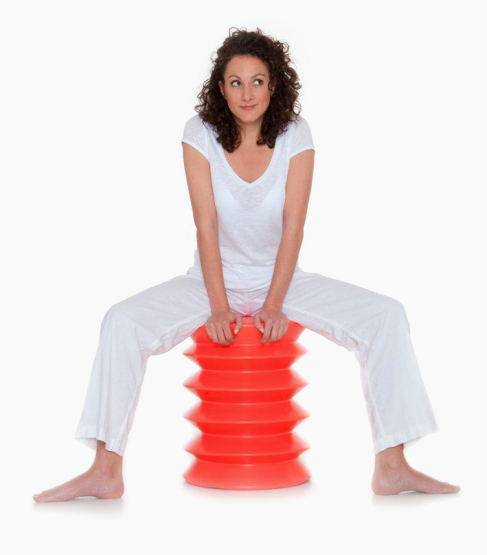
In today’s digitally dominated world, children are spending more time sitting than ever before. Whether it?s during school hours, while doing homework, or indulging in recreational screen time, prolonged sitting can have negative impacts on their posture and overall health. The demand for innovative solutions that encourage active sitting for children, therefore, has never been more critical. Active seating options are designed to keep the body engaged even while sitting, promoting better posture and overall well-being.
The Importance of Active Sitting
Active sitting refers to a dynamic seating approach that allows and encourages movement while sitting. Unlike traditional chairs, active seating options are designed to keep the body slightly unstable, prompting muscles to engage and maintain balance. This concept is crucial for children, whose bodies are still developing and adapting to physical challenges.
Benefits of Active Sitting for Children
- Enhances core strength and muscle engagement.
- Improves concentration and focus by increasing blood flow and oxygen to the brain.
- Reduces the risk of developing back and spinal problems in the long term.
- Promotes better posture and alignment.
- Encourages movement and flexibility.
For parents and educators looking to integrate active seating into children?s daily routines, discover expert strategies here.
Types of Active Seating Solutions
There are various types of active seating solutions available to cater to different needs and environments. Each type offers unique benefits tailored to encourage movement and improve posture among children.
Balance Ball Chairs
Balance ball chairs involve sitting on an inflated rubber ball, which requires constant adjustments and engages core muscles for stability. These chairs are adaptable for school or home use and are especially popular for their simplicity and effectiveness.
Wobble Chairs
Wobble chairs have a rounded base that allows the seat to tilt in all directions, encouraging natural movement and active engagement. They are ideal for classroom settings where children need to maintain focus without being restricted to static seats.
To understand more about choosing the right active seating for specific needs, explore advanced guides and tips.
Implementing Active Seating in Schools
Introducing active seating in educational environments not only benefits posture but can also enhance learning experiences. Schools that have adopted these seating solutions often report improved student behavior and academic performance.
Steps to Successful Implementation
- Evaluate the classroom space and student needs to determine the most suitable seating options.
- Train educators on the benefits and proper use of active seating to ensure effective integration.
- Gradually introduce active seating to allow children to adjust and maximize the benefits.
For schools considering this transition, find out more about this approach.
Conclusion
Active seating is an innovative solution that addresses the growing concerns about children’s posture and sedentary lifestyles. By encouraging movement and promoting better sitting habits, these seating options can significantly impact children’s health and academic performance. As more research supports the benefits of active seating, it becomes a viable consideration for parents and educators aiming to foster a healthier, more dynamic environment for children.
For additional information on tailored solutions that suit various needs, learn about our tailored solutions.