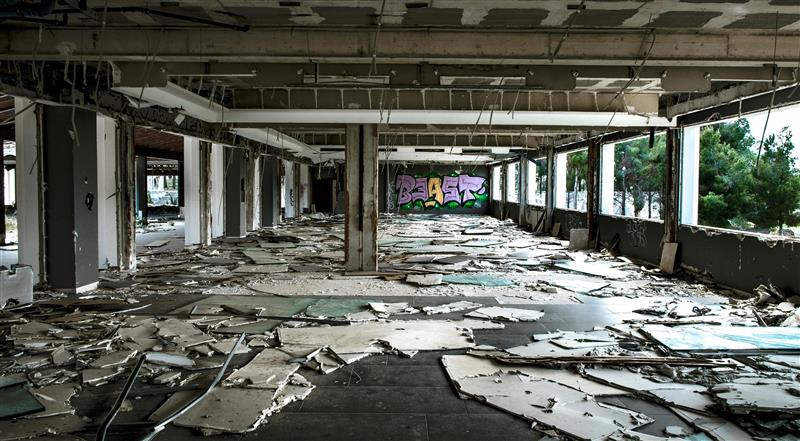
Construction and renovation projects, while essential for development and modernization, often result in a considerable amount of debris. Effective debris removal is crucial not only for maintaining a safe and organized work environment but also for minimizing environmental impact. Managing construction debris involves more than just disposing of waste; it requires an understanding of legal regulations, efficient logistics, and sustainable practices. This article delves into expert solutions for construction debris removal, offering insights into efficient practices and sustainable techniques.
Understanding the Challenges of Construction Debris
Construction debris encompasses a wide range of materials, including concrete, wood, metals, and other residuals from building and demolition activities. The management of these materials presents several challenges:
- Volume and Weight: Construction debris can be bulky and heavy, requiring specialized equipment for safe and efficient removal.
- Regulatory Compliance: Adhering to local and federal regulations is essential to avoid legal issues and fines.
- Environmental Concerns: Improper disposal can lead to environmental degradation, making sustainable practices vital.
Effective Debris Removal Strategies
1. Comprehensive Planning
Successful debris removal starts with a detailed plan that outlines the types of debris expected and the logistics involved in managing them. This includes:
- Identifying potential waste materials and categorizing them for appropriate disposal or recycling.
- Developing a timeline that aligns with project milestones to ensure timely debris clearance.
- Coordinating with local authorities and waste management facilities to streamline disposal processes.
2. Utilizing Advanced Equipment
Modern debris removal solutions often involve the use of specialized equipment designed to handle various types of construction waste efficiently:
- Heavy machinery such as excavators and loaders for large debris.
- Portable crushers and grinders to reduce the volume of waste materials.
- Transportation vehicles tailored for different debris types to ensure safe and effective hauling.
For more information on equipment and strategies, read more about this topic.
3. Emphasizing Recycling and Reuse
Promoting recycling and reuse is a key component of sustainable debris management:
- Segregating materials on-site to facilitate recycling processes.
- Partnering with recycling facilities to process materials such as concrete, metals, and timber.
- Innovative reuse of materials in new construction projects to minimize waste.
To explore further insights on recycling in construction, explore further insights here.
Sustainable Practices in Construction Debris Removal
1. Implementing Green Practices
Adopting green practices in debris removal not only benefits the environment but can also offer economic advantages:
- Using eco-friendly disposal methods that reduce landfill use and emissions.
- Incorporating waste-to-energy solutions where feasible.
- Educating construction teams about sustainable waste management techniques.
2. Monitoring and Reporting
Regular monitoring and reporting help ensure that debris removal practices remain efficient and compliant:
- Tracking waste output to identify areas for improvement.
- Documenting recycling and disposal efforts to maintain transparency.
- Utilizing technology to optimize waste management processes.
To learn more about sustainable practices, find additional information here.
Conclusion
The complexities of construction debris removal demand expert solutions that prioritize efficiency and sustainability. By integrating comprehensive planning, advanced equipment, recycling initiatives, and green practices, construction projects can significantly reduce their environmental impact while adhering to regulatory standards. For those seeking to enhance their understanding of construction debris management, numerous resources are available to provide guidance and support. Learn more in this detailed guide.