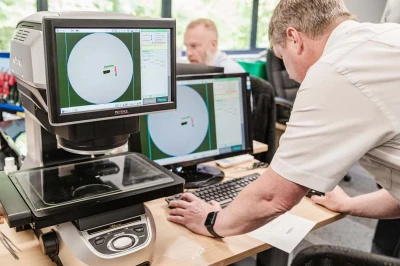
In today’s rapidly evolving industrial landscape, optimizing manufacturing processes is essential for maintaining competitive advantage. Performance material conversion plays a crucial role in enhancing efficiency by transforming raw materials into high-performance products tailored to meet specific manufacturing needs. This process not only minimizes waste but also maximizes productivity, leading to cost savings and improved product quality.
The Importance of Performance Material Conversion in Manufacturing
Manufacturers face constant pressure to improve outputs while reducing costs. Performance material conversion offers a strategic approach to achieving these goals. By leveraging advanced materials and conversion techniques, manufacturers can:
- Reduce material waste, leading to cost savings.
- Enhance product quality through precise material specifications.
- Increase production speed and efficiency.
- Improve environmental sustainability by minimizing resource consumption.
Discover expert strategies here to understand how performance material conversion can be effectively implemented in manufacturing processes.
Key Techniques in Performance Material Conversion
Several techniques are employed in the conversion of performance materials, each tailored to enhance manufacturing efficiency:
Die Cutting
Die cutting is a popular technique that involves cutting materials into specific shapes using a die. This method is highly efficient for mass production and is used in various industries, from automotive to packaging. By ensuring accuracy and minimizing material waste, die cutting is integral to optimizing manufacturing processes.
Lamination
Lamination involves bonding multiple layers of material to create a composite that offers enhanced durability and performance. This technique is essential for producing materials that require additional strength or protective properties, such as in the production of flexible circuits or protective films.
Learn about our tailored solutions for lamination processes by visiting this link.
Slitting and Rewinding
Slitting and rewinding involve cutting large rolls of material into narrower widths, which are then rewound onto cores. This process is crucial for producing materials in specific sizes required by various industries. It enhances efficiency by enabling precise material use and reducing unnecessary waste.
Benefits of Adopting Advanced Material Conversion Techniques
Implementing advanced material conversion techniques offers numerous benefits for manufacturers aiming to improve their processes:
- Customization: Tailor materials to meet specific production needs, enhancing product differentiation.
- Efficiency: Streamline production processes, reducing downtime and increasing output.
- Cost-effectiveness: Minimize material costs by using exactly what is needed, reducing excess.
- Sustainability: Promote eco-friendly practices by reducing waste and optimizing resource use.
Explore advanced guides and tips on optimizing material conversion here.
Challenges and Considerations
Despite its benefits, performance material conversion presents certain challenges that manufacturers must address:
- Initial Investment: Advanced equipment and technology may require significant upfront investment.
- Technical Expertise: Skilled personnel are needed to operate and maintain sophisticated machinery.
- Quality Control: Ensuring consistent quality across batches can be complex.
Manufacturers looking to overcome these challenges can find out more about this approach to streamline their conversion processes effectively.
Conclusion
Performance material conversion is a transformative approach that offers substantial benefits for manufacturers aiming to enhance efficiency and product quality. By adopting advanced techniques such as die cutting, lamination, and slitting, manufacturers can achieve significant improvements in their processes while also promoting sustainability. For those seeking to optimize their manufacturing operations, a deep dive into the strategies and solutions available can provide invaluable insights and guidance.
For more information on how to incorporate these practices into your manufacturing processes, explore the available resources from industry experts.