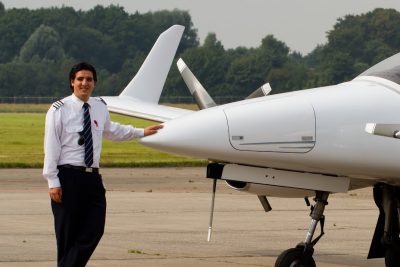
Embarking on the journey to becoming a private pilot is not only a thrilling adventure but also a commitment to mastering a unique set of skills. The allure of soaring through the skies and the freedom it brings is unparalleled. Whether your goal is to fly recreationally or lay the foundation for a professional aviation career, understanding the essentials of private pilot training is crucial.
The Fundamentals of Private Pilot Training
Private pilot training is a comprehensive program designed to equip aspiring pilots with the necessary knowledge and skills. The training involves both theoretical and practical components, ensuring a well-rounded education.
Key Components of Training
- Ground School: Provides foundational knowledge on aerodynamics, navigation, meteorology, and aviation regulations.
- Flight Training: Practical flying sessions with an instructor, focusing on maneuvers, takeoffs, landings, and emergency procedures.
- Solo Flights: Supervised solo flights to build confidence and hone skills.
- Examinations: Written exams and practical flight tests to assess knowledge and proficiency.
For more detailed strategies and insights into each training component, you can discover expert strategies here.
Choosing the Right Flight School
Selecting a flight school is a pivotal decision in your aviation journey. Considerations include:
- Accreditation: Ensure the school is recognized by aviation authorities.
- Instructor Experience: Experienced instructors can provide valuable insights and guidance.
- Fleet Condition: A well-maintained fleet ensures safety and reliability.
- Location: The school?s location can affect costs and the types of weather conditions you’ll train in.
Learn about our tailored solutions to find a school that matches your needs.
Cost Considerations and Financial Planning
Private pilot training is an investment in your future. It?s essential to plan financially to cover costs such as:
- Tuition fees for ground school and flight hours.
- Study materials and examination fees.
- Aircraft rental and fuel costs.
- Additional gear and equipment.
Explore advanced guides and tips on managing training costs effectively.
Preparing for Your Pilot Exam
The pilot exam is a critical milestone. Effective preparation involves:
- Consistent study and review of ground school materials.
- Practical flying experience under various conditions.
- Mock exams to simulate the test environment.
- Feedback sessions with instructors to identify areas for improvement.
To enhance your preparation, find out more about this approach.
Conclusion
Embarking on a private pilot training journey is both exciting and demanding. It requires dedication, financial planning, and choosing the right environment for learning. With the right approach and resources, you can achieve your dream of piloting an aircraft. For those ready to take the next step, numerous resources and support systems are available to guide you through this exhilarating journey.