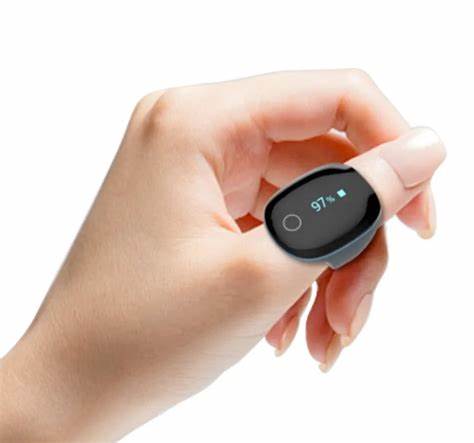
Sleep apnea is a common yet serious sleep disorder affecting millions worldwide. It is characterized by repeated interruptions in breathing during sleep, leading to poor sleep quality and various health issues. Traditionally, diagnosing sleep apnea required a visit to a sleep clinic for an overnight study. However, modern advancements have introduced convenient at-home testing options, making it easier for individuals to assess their sleep health in the comfort of their homes. This article explores these at-home sleep apnea test options, emphasizing their benefits, effectiveness, and how they can be a practical choice for many.
Understanding At-Home Sleep Apnea Testing
At-home sleep apnea tests are designed to be simple and user-friendly, enabling individuals to monitor their sleep patterns without the need for clinical settings. These tests generally involve wearable devices or sensors that track specific physiological parameters during sleep. The data collected is then analyzed to identify any signs of sleep apnea.
Components of At-Home Sleep Apnea Tests
- Breathing Sensors: Monitor airflow and breathing patterns.
- Oximeter: Measures blood oxygen levels.
- Heart Rate Sensors: Track heart rate variability.
- Motion Detectors: Detect movements and sleep positions.
Advantages of At-Home Testing
At-home sleep apnea tests offer numerous benefits that make them an attractive option for individuals suspecting they have sleep apnea:
- Convenience: Conduct tests in the comfort of your own home without disrupting your routine.
- Cost-Effectiveness: Typically less expensive than in-lab sleep studies.
- Accessibility: Ideal for individuals living in remote areas or with mobility issues.
- Privacy: Allows for testing in a familiar and private environment.
These advantages make at-home testing a viable first step for many individuals. For more detailed insights and expert strategies, discover expert strategies here.
Effectiveness and Reliability
While at-home tests are not a complete replacement for in-lab studies, they offer a high degree of accuracy for diagnosing moderate to severe sleep apnea. For those with mild symptoms or other sleep disorders, a follow-up with a healthcare provider may still be necessary.
The reliability of these tests largely depends on proper usage and adherence to the instructions provided. Many providers offer comprehensive guides and support to ensure correct test execution. Explore advanced guides and tips for maximizing the effectiveness of at-home sleep apnea testing.
Choosing the Right At-Home Test
Selecting an appropriate at-home sleep apnea test involves considering factors such as:
- Severity of Symptoms: Individuals with severe symptoms may require more detailed assessments.
- Device Features: Choose devices that offer the needed sensors and functionalities.
- Ease of Use: Opt for user-friendly devices with clear instructions.
- Professional Guidance: In some cases, consulting with a sleep specialist can provide additional insights.
To make an informed decision, find out more about this approach.
Conclusion
At-home sleep apnea tests provide an accessible and convenient option for individuals seeking initial assessment of their sleep health. They are particularly advantageous for those who prefer a more private and cost-effective solution. While they can effectively identify sleep apnea, it is crucial to follow up with healthcare professionals for comprehensive management and treatment. To further understand how tailored solutions can address individual needs, learn about our tailored solutions.