Collecting sports memorabilia is more than a hobby; it is a curated journey through the moments that define athletic greatness. From a rookie baseball card that captures a future Hall-of-Famer’s first swing to a signed jersey that once graced a championship field, each piece tells a story. As the market evolves, discerning collectors seek items that stand out, unique, authentic, and historically significant. This guide explores how to elevate a collection with distinctive sports memorabilia, offering practical strategies, expert insights, and resources that help turn a simple assortment into a showcase of legacy.
Understanding What Makes Memorabilia Unique
Uniqueness in sports memorabilia stems from several factors that together determine rarity, desirability, and long-term value.
Authenticity and Provenance
- Certificates of authenticity (COA) from reputable grading services.
- Documented ownership history that links the item to the athlete or event.
- Third-party verification, especially for high-value pieces.
Limited Production Runs
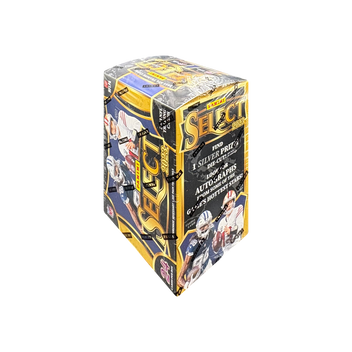
- Short-run inserts, such as Panini “Blaster” boxes or limited-edition autographs.
- One-of-a-kind items like game-used equipment or hand-signed memorabilia.
- Serial-numbered cards that indicate a specific position in a production series.
Historical Significance
- Items tied to milestone events (e.g., a Super Bowl-winning jersey).
- Memorabilia from athletes at the peak of their careers.
- Pieces that represent a turning point in a sport’s evolution.
Key Categories of Unique Sports Memorabilia
While the term “memorabilia” can encompass a broad range of collectibles, focusing on certain categories can dramatically enhance a collection’s depth and appeal.
Vintage Trading Cards
Cards produced before the 1990s often carry a nostalgic charm and scarcity that modern prints cannot match. Classic sets from the 1950s and 1960s, especially those featuring iconic players, remain highly sought after. For collectors looking to explore this niche, the Vintage Trading Cards section offers a curated selection of graded and raw cards that have stood the test of time.
Autographed Items
Authentic signatures add a personal connection to the athlete. Items such as signed baseballs, footballs, and jerseys become focal points when they include a COA from a recognized authenticator. When acquiring autographs, prioritize sources that specialize in sports memorabilia and provide transparent provenance.
Game-Used Equipment
Pieces actually used in competition, like a bat from a record-breaking home run or a puck from a championship game, carry an irreplaceable narrative. Their value is anchored not only in rarity but also in the story of the moment they helped create.
Limited-Edition Inserts and Relics
Modern card manufacturers frequently release inserts that embed fragments of game-used material (e.g., jersey swatches, stadium dirt). These “relic” cards combine the visual appeal of traditional cards with a tangible piece of history, making them ideal for collectors seeking novelty.
How to Source High-Quality Memorabilia
Finding authentic, unique items requires a blend of research, networking, and leveraging reputable marketplaces.
- Specialized Online Retailers: Platforms that focus exclusively on sports collectibles often have stringent authentication processes. The Sports Card Store provides a reliable avenue for both new releases and rare finds.
- Auctions and Estate Sales: High-profile auction houses occasionally feature historic memorabilia, while estate sales can uncover hidden gems at lower entry points.
- Collector Communities: Engaging with forums, social media groups, and local meet-ups helps uncover private sellers and offers insight into market trends.
- Trade Shows and Conventions: Events dedicated to trading cards and sports collectibles allow hands-on inspection of items before purchase.
Evaluating Condition and Grading
Condition is the single most influential factor in determining an item’s market value. Professional grading services assign a numeric grade (typically on a 1-10 scale) that reflects centering, corners, edges, and surface quality. When evaluating a piece:
- Check for centering and alignment; off-center cards lose points quickly.
- Inspect corners for wear or chipping, sharp corners are essential for high grades.
- Examine edges for fraying or staining.
- Assess the surface for scratches, creases, or discoloration.
For collectors who prefer to handle items personally, a magnifying glass and soft lighting can reveal subtle imperfections that impact grading.
Preservation Practices for Longevity
Proper storage safeguards both the aesthetic and monetary value of memorabilia.
- Temperature & Humidity Control: Maintain a stable environment (around 68??F and 40-50% humidity) to prevent mold and warping.
- Archival-Quality Materials: Use acid-free sleeves, top loaders, and Mylar cases for cards; UV-protected frames for jerseys and autographs.
- Handling Protocol: Wear clean cotton gloves when touching delicate items, and avoid direct contact with adhesives.
- Regular Inspection: Periodically review stored items for signs of deterioration and address issues promptly.
Showcasing Your Collection
A well-presented collection enhances enjoyment and can increase interest from potential buyers or fellow enthusiasts.
- Display Cases: Custom glass cases with LED lighting highlight key pieces while protecting them from dust.
- Themed Arrangements: Group items by sport, era, or athlete to tell a cohesive story.
- Digital Cataloguing: Maintain a spreadsheet or database with photos, provenance, and grading details for quick reference.
Leveraging Online Resources
Beyond purchasing, the internet offers valuable tools for research and community building. The Online Sports Card Store provides up-to-date pricing data, while dedicated blogs and podcasts dissect market trends. Engaging with a Sports Memorabilia Store that offers expert advice can also refine acquisition strategies.
Conclusion
Elevating a sports memorabilia collection hinges on a clear understanding of rarity, authenticity, and historical relevance. By focusing on unique categories, such as vintage trading cards, authenticated autographs, and game-used relics, collectors can build a portfolio that not only reflects personal passion but also stands the test of time. Thoughtful sourcing, rigorous condition evaluation, and meticulous preservation create a foundation for lasting value. With the right resources and a disciplined approach, any enthusiast can transform a modest assortment into a distinguished showcase of athletic heritage.