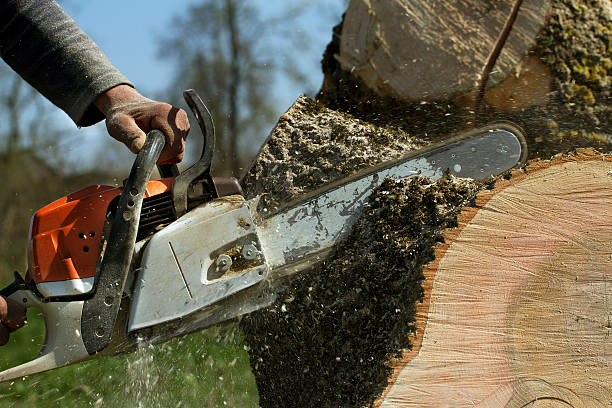
Commercial tree removal is a critical service for businesses and property managers maintaining a safe and aesthetically pleasing environment. Whether it’s due to storm damage, disease, or for a construction project, understanding the fundamentals of commercial tree removal can make the process smoother and more efficient. This article delves into the key aspects of commercial tree removal, including reasons for removal, the importance of professional services, and what to expect during the process.
Reasons for Commercial Tree Removal
There are several reasons why a business might consider removing trees from their commercial property:
- Safety Concerns: Dead or unstable trees pose a significant risk to people and property. Regular inspections can help identify hazardous trees that need to be removed.
- Construction and Development: New construction projects may require the removal of trees to accommodate building plans or infrastructure development.
- Disease and Infestation: Trees affected by disease or pests can quickly become a liability, spreading problems to surrounding vegetation.
- Aesthetic Improvement: Removing overgrown or unsightly trees can enhance the visual appeal of a commercial property.
For more detailed information on why commercial tree removal might be necessary, read more about this topic.
The Importance of Hiring Professionals
Engaging a professional tree removal service is crucial for ensuring the job is done safely and efficiently. Here are some reasons why hiring professionals is advisable:
- Expertise and Experience: Professionals have the knowledge and experience to assess the condition of trees accurately and determine the best removal methods.
- Safety Protocols: Tree removal can be dangerous. Professionals follow stringent safety protocols to minimize risks to people and property.
- Proper Equipment: Professional services are equipped with the necessary tools and equipment to handle tree removal of any scale.
- Environmental Considerations: Experts can offer advice on the environmental impact of tree removal and recommend sustainable practices.
To explore further insights into the benefits of professional tree removal services, explore further insights here.
The Tree Removal Process
Understanding the tree removal process can help manage expectations and ensure the project runs smoothly. Here?s what typically happens:
Initial Assessment
The first step involves a thorough assessment of the site. This includes evaluating the health and stability of the trees, understanding the surrounding environment, and planning the logistics of the removal process. Professionals will provide a detailed plan and cost estimate during this phase.
Obtaining Permits
In many areas, commercial tree removal requires permits. Professionals will handle the necessary paperwork and ensure compliance with local regulations. Learn more in this detailed guide about the permitting process.
Tree Removal
The actual removal involves cutting down the tree safely and efficiently. Depending on the size and location, this may involve climbing, rigging, or the use of cranes and other equipment to ensure minimal disruption to the surrounding area.
Site Cleanup and Restoration
After the tree is removed, the site is cleaned up. This includes removing debris and possibly grinding the stump, depending on the agreement. Site restoration may also involve landscaping or replanting, depending on the property’s needs.
For additional information on the tree removal process, find additional information here.
Conclusion
Commercial tree removal is a necessary service for many businesses, ensuring safety, compliance, and aesthetic value for commercial properties. By understanding the reasons for tree removal, the importance of hiring professionals, and the steps involved in the process, businesses can make informed decisions that benefit their property and the environment. For more comprehensive insights into commercial tree removal services, explore further insights here.