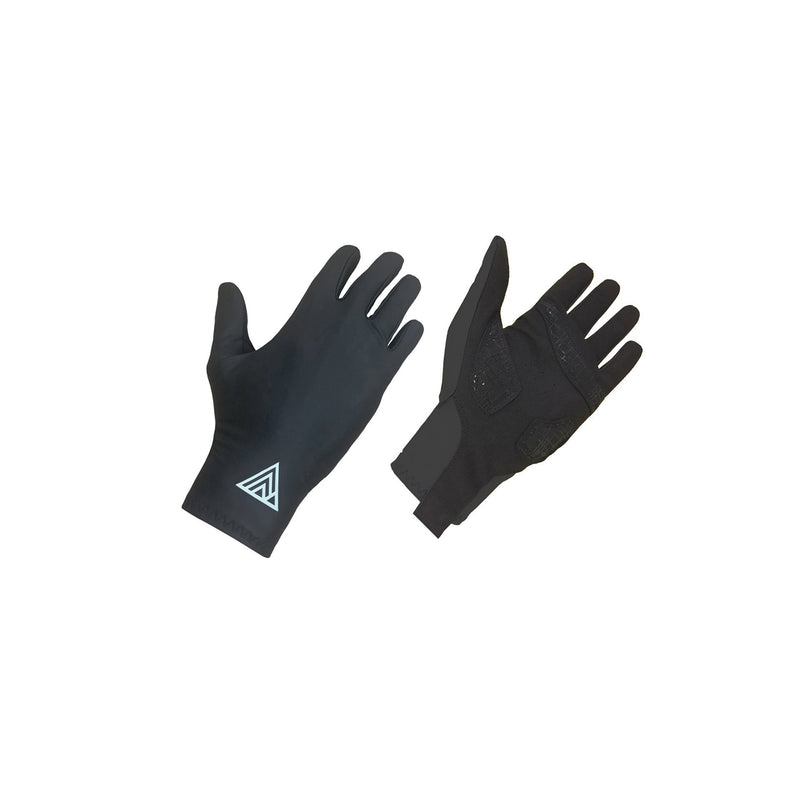
When speed and comfort intersect on the road, the choice of cycling gloves becomes a decisive factor. Aero-focused designs aim to reduce drag while providing the tactile feedback essential for high-intensity riding. This article examines the performance attributes of the latest aero gloves, evaluates how they influence aerodynamics, grip, and endurance, and offers guidance on selecting the right pair for competitive and recreational cyclists alike.
Key Aerodynamic Features of Modern Cycling Gloves
Glove manufacturers have refined several design elements to minimize airflow disruption. The most impactful features include:
- Streamlined Silhouette: A tapered shape reduces the frontal area, allowing air to flow smoothly over the hand.
- Low-Profile Padding: Strategically placed foam provides cushioning without creating bulk that could increase drag.
- Seamless Construction: Fewer seams mean fewer turbulence points; many models use bonded panels or laser-cut stitching.
- Ventilation Slots: Small, aerodynamic vents channel air away from the palm, preventing heat buildup while preserving a sleek profile.
For a deeper dive into how these design choices translate into measurable performance gains, Discover expert strategies here.
Grip and Control at High Speeds
Even the most aerodynamically efficient glove must maintain reliable grip. Advanced materials and surface treatments ensure that cyclists retain control during sprints, climbs, and descents.
Material Innovations
- Silicone-Enhanced Palms: Thin silicone patterns provide tack without adding thickness.
- Micro-textured Leather: Offers a natural feel and durability, especially in wet conditions.
- Carbon-Fiber Reinforcement: Increases stiffness in the palm area, translating power more directly to the handlebars.
To explore specific glove models that integrate these technologies, Learn about our tailored solutions.
Comfort and Endurance Considerations
Long rides demand gloves that manage moisture, temperature, and vibration. The following aspects contribute to sustained comfort:
- Moisture-Wicking Liners: Synthetic fabrics pull sweat away from the skin, reducing slippage.
- Thermal Regulation: Mesh inserts and breathable backs keep hands cool in heat and retain warmth in cooler weather.
- Vibration Dampening: Gel or foam inserts absorb road shock, decreasing hand fatigue.
For additional guidance on balancing aerodynamics with comfort, Explore advanced guides and tips.
Testing Methodology
Performance testing combined wind-tunnel analysis with real-world road trials. The protocol included:
- Baseline drag measurement with a standard glove.
- Installation of the aero glove and repeat of wind-tunnel runs at 30″?km/h, 40″?km/h, and 50″?km/h.
- Road testing on a 20-km loop, recording power output, heart rate, and perceived exertion.
- Post-ride hand temperature and moisture assessment.
Results indicated an average drag reduction of 3-4″?% and a noticeable decrease in hand sweating during high-intensity intervals.
Choosing the Right Aero Glove for Your Needs
Selection should align with riding style, climate, and personal preferences. Consider the following decision matrix:
| Rider Profile | Primary Goal | Recommended Feature Set |
|---|---|---|
| Time-Trial Specialist | Maximum speed, minimal drag | Ultra-low profile, seamless construction, carbon reinforcement |
| Endurance Road Cyclist | Comfort over long distances | Moisture-wicking liner, ventilation slots, vibration dampening |
| Mountain/Gravel Rider | Grip in variable terrain | Silicone palm, reinforced leather, protective padding |
For a curated list of gloves that meet these criteria, Find out more about this approach.
Maintenance and Longevity
Proper care extends the functional life of aero gloves. Follow these best practices:
- Hand-wash with mild detergent; avoid harsh chemicals that degrade silicone.
- Air-dry away from direct sunlight to prevent material fatigue.
- Inspect seams regularly; re-bond any lifting edges to maintain aerodynamic integrity.
- Rotate between two pairs during intensive training cycles to reduce wear.
Conclusion
Aero cycling gloves represent a convergence of aerodynamic engineering, material science, and ergonomic design. When selected thoughtfully, they deliver measurable reductions in drag while preserving the grip, comfort, and durability essential for competitive performance. By understanding the underlying features, streamlined silhouettes, low-profile padding, advanced grip technologies, and moisture management, cyclists can make informed choices that complement their riding objectives. For a comprehensive selection of high-performance gloves, visiting the dedicated collection provides access to models that embody these principles.