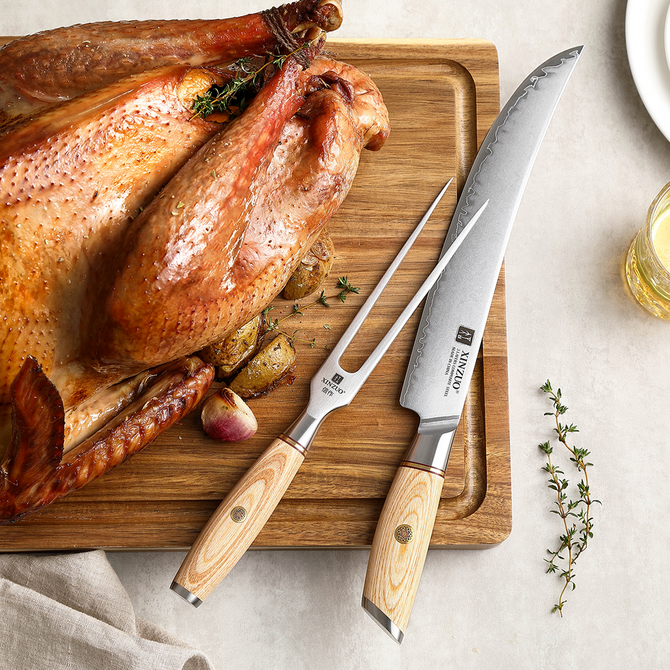
Carving meat is an art form, requiring precision, finesse, and the right tools to create perfectly sliced pieces. Among these tools, the carving fork plays a critical role. It not only aids in holding the meat steady but also ensures that each slice is consistently cut. Whether you are preparing a holiday feast, a simple family dinner, or a grand barbecue, understanding the importance and functionality of a carving fork can elevate your culinary skills to new heights. This guide explores the features, uses, and benefits of carving forks, providing you with essential knowledge for selecting and utilizing this indispensable kitchen tool.
Understanding the Carving Fork
The carving fork is a long, two-pronged tool designed specifically for holding large cuts of meat in place while carving. Here are some key features that define a quality carving fork:
- Length: A carving fork typically ranges from 10 to 15 inches in length. A longer fork offers better reach and control, especially when handling larger pieces of meat.
- Prongs: The prongs should be sharp and slightly curved to grip the meat securely without tearing it.
- Material: Stainless steel is a popular choice due to its durability and resistance to rust. Some forks may also feature wooden or plastic handles for a comfortable grip.
- Balance: A well-balanced fork ensures ease of use and stability during carving.
Benefits of Using a Carving Fork
Incorporating a carving fork into your kitchen arsenal offers several advantages:
- Precision and Control: The carving fork provides stability and control, allowing for even and accurate slices.
- Safety: Holding the meat in place with a fork reduces the risk of slipping, which can lead to accidents.
- Presentation: Neatly sliced meat enhances the presentation of your dish, making it more appealing to guests.
- Versatility: A carving fork can be used with various types of meat, including turkey, chicken, beef, and pork.
How to Choose the Right Carving Fork
When selecting a carving fork, consider the following factors to ensure you choose the best one for your needs:
Material Quality
Opt for a carving fork made from high-quality stainless steel, as it offers strength and longevity. The handle material is also important; choose one that provides a comfortable grip, such as wood or ergonomic plastic.
Size and Design
Choose a fork with an appropriate length for your typical carving tasks. If you frequently carve large roasts or turkeys, a longer fork may be more advantageous. The design should facilitate ease of use, with well-spaced prongs for secure gripping.
Price and Brand
While price is often a consideration, ensure that you are investing in a tool that will last. Explore further insights here (https://www.thebambooguy.com/collections/carving-forks) for more information on selecting a carving fork that fits your budget and meets your needs.
Using Your Carving Fork Effectively
Maximize the benefits of your carving fork by employing proper techniques:
- Stabilize the Meat: Insert the fork into the meat, ensuring it is securely held before slicing.
- Angle the Prongs: Position the prongs at a slight angle to better grip the meat.
- Carving Technique: Use smooth, even strokes with your carving knife, allowing the fork to hold the meat in place.
- Cleaning and Maintenance: Regularly clean your carving fork with warm soapy water and dry thoroughly to maintain its condition. Learn more in this detailed guide (https://www.thebambooguy.com/collections/carving-forks).
Conclusion
The carving fork is an essential tool for any kitchen, providing the stability and precision needed to create beautifully sliced meat dishes. Whether you’re a seasoned chef or a home cook, investing in a quality carving fork can enhance your culinary creations. For additional guidance and options available, find additional information here (https://www.thebambooguy.com/collections/carving-forks). With the right carving fork in hand, you’ll be well-equipped to impress your guests with perfectly carved meats every time.