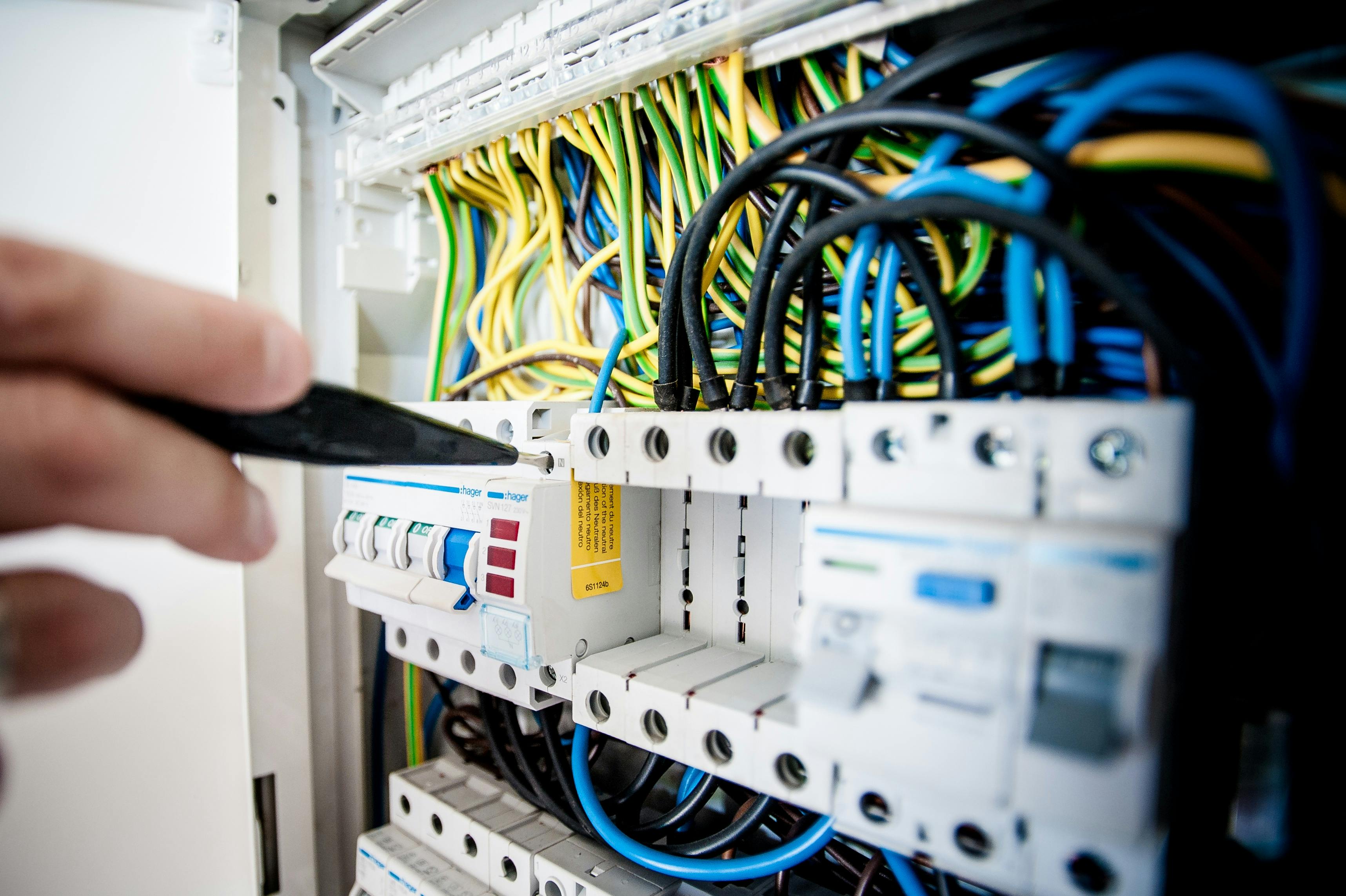
Electrical testing is a critical component of power system maintenance and reliability. Among the various methods of testing, 5KV electrical testing holds particular significance for testing insulation resistance in electrical equipment. This process ensures the safety and efficiency of electrical systems by identifying potential issues before they cause failures. Understanding the procedures and purposes of 5KV electrical testing can help maintain the integrity and longevity of electrical systems.
What is 5KV Electrical Testing?
The term 5KV electrical testing refers to the application of a 5000-volt test voltage to measure insulation resistance. This method is primarily used for testing equipment such as motors, generators, transformers, and other devices that operate at medium to high voltage levels. The primary goal is to ensure that the insulation is intact and capable of withstanding operational stresses.
Importance of 5KV Electrical Testing
This procedure is essential for several reasons:
- Identifies deteriorating insulation before catastrophic failure occurs.
- Prevents costly downtime by diagnosing potential issues early.
- Enhances safety by reducing the risk of electric shock and fires.
- Ensures compliance with industry standards and regulations.
Key Procedures in 5KV Electrical Testing
Preparation and Safety Measures
Before any testing begins, it is crucial to follow strict safety protocols:
- Ensure all equipment is de-energized and locked out to prevent accidental energization.
- Wear appropriate personal protective equipment (PPE) such as rubber gloves and safety glasses.
- Verify the calibration of the test equipment to ensure accurate readings.
Testing Process
The 5KV testing process involves several key steps:
- Connect the test equipment to the device under test, ensuring all connections are secure.
- Apply the 5KV test voltage for a specified duration, typically one minute, to measure insulation resistance.
- Record the resistance readings, noting any significant deviations from expected values.
- Analyze the data to determine the condition of the insulation and identify any areas of concern.
Post-Test Procedures
After testing, it is important to:
- Safely discharge any residual voltage from the device under test.
- Document the test results and any observations made during the testing process.
- Plan any necessary maintenance or repairs based on the findings.
Comparing 5KV, 15KV, and Other Testing Methods
While 5KV testing is appropriate for medium voltage systems, other methods such as 15kV electrical testing are used for higher voltage applications. Each method has its applications and benefits, and choosing the correct one is crucial for accurate diagnostics.
- Medium voltage electrical testing typically involves voltages ranging from 1KV to 35KV.
- High voltage electrical testing is conducted at voltages exceeding 35KV and is often required for utilities and large industrial facilities.
Professional Standards and Compliance
Adhering to professional standards, such as those set by the NETA electrical testing, is critical for ensuring the safety and reliability of electrical systems. These standards provide guidelines for testing procedures, equipment, and personnel qualifications to maintain high-quality testing practices.
In conclusion, understanding and implementing 5KV electrical testing procedures is essential for maintaining the safety and efficiency of electrical systems. By following best practices and complying with industry standards, potential issues can be identified early, preventing costly failures and ensuring the longevity of equipment.