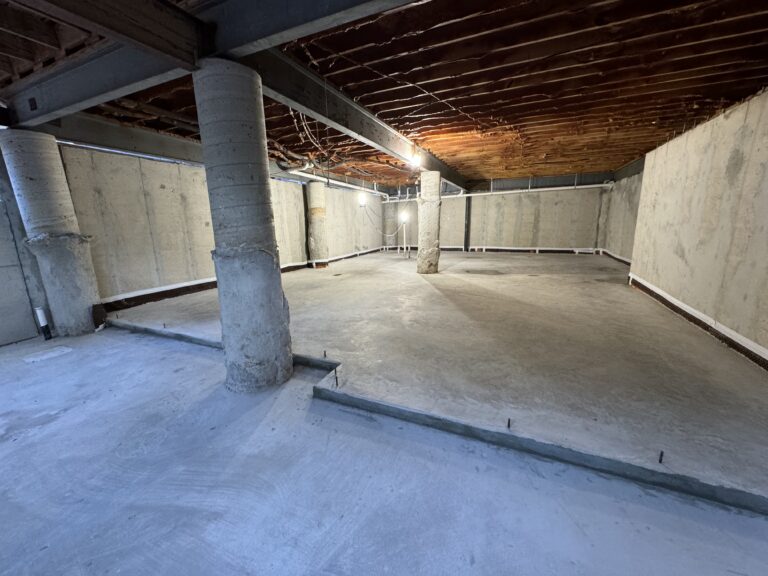
Basement foundation waterproofing is a critical aspect of maintaining the structural integrity and longevity of any building. Often overlooked, the basement forms the base upon which the rest of the structure stands. Ensuring it is adequately waterproofed can prevent costly repairs and maintain the property’s value. This guide delves into the essential components of basement waterproofing, offering insights into why it is crucial and how it can be effectively implemented.
Understanding Basement Foundation Waterproofing
Basement foundation waterproofing involves a series of techniques and materials designed to prevent water from penetrating the basement walls and floors. This process is essential to protect against water damage that can lead to structural issues and health problems due to mold and mildew growth.
Why Waterproofing is Essential
- Prevents structural damage: Water can cause cracks and weakening of the foundation.
- Inhibits mold growth: Moist environments are breeding grounds for mold, which can affect indoor air quality.
- Preserves property value: A dry basement is an attractive feature for potential buyers.
Methods of Basement Waterproofing
There are several methods of basement waterproofing, each suited for different situations. Choosing the right method is crucial for effectiveness. Discover expert strategies here.
Interior Waterproofing Solutions
- Sealants and Coatings: These are applied to walls and floors to create a moisture barrier.
- Interior Drainage Systems: These systems collect water that enters the basement and redirects it away from the foundation.
- Sump Pumps: Essential for removing water that accumulates in the sump basin.
Exterior Waterproofing Solutions
- Excavation: Involves digging around the foundation to apply a waterproof barrier.
- Drainage Tiles: Installed around the exterior to direct water away from the basement walls.
- Landscape Grading: Adjusting the slope around the building to prevent water from pooling near the foundation.
For detailed guidance on these methods, learn about our tailored solutions.
Choosing the Right Waterproofing Solution
Selecting the appropriate waterproofing method depends on several factors, including the age of the building, the local climate, and the existing foundation condition. Find out more about this approach.
Factors to Consider
- Building Age and Condition: Older buildings may require more extensive measures.
- Climate: Areas with heavy rainfall or high water tables need robust waterproofing.
- Budget: Solutions range from basic sealants to comprehensive exterior systems.
Maintenance and Inspection
Regular maintenance and inspection are vital to ensure the ongoing effectiveness of any waterproofing system. Routine checks help identify potential issues early, preventing costly repairs in the future. Explore advanced guides and tips for maintaining waterproofing systems.
Maintenance Tips
- Inspect for cracks and leaks periodically.
- Ensure that drainage systems are clear and functioning.
- Regularly test sump pumps, especially before heavy rain.
In conclusion, basement foundation waterproofing is a crucial investment in the longevity and safety of any building. By understanding the various methods and choosing the right solutions, property owners can protect their investments and ensure a dry, healthy environment. For more information and guidance, explore advanced guides and tips.