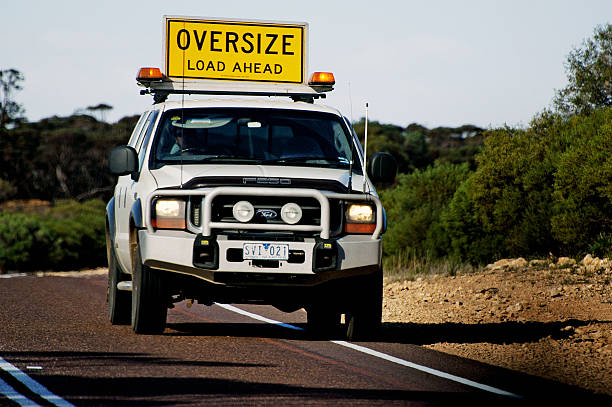
Transportation logistics is a complex field that encompasses a variety of essential components to ensure the efficient movement of goods across regions. Among these components, pilot cars play a crucial role, especially in the transport of oversized loads. These vehicles, often seen leading or following large trucks, are integral to maintaining safety and compliance on the roads. Understanding the importance of pilot cars provides insight into their functionality and the broader impact on logistics operations.
The Role of Pilot Cars
Pilot cars, also known as escort vehicles, are utilized primarily to facilitate the safe transportation of oversized loads. These loads often exceed standard dimensions regulated by transportation authorities, necessitating additional precautions. The primary roles of pilot cars include:
- Providing advance warning to other road users of an approaching oversized load.
- Assisting the truck driver in navigating through complex or narrow routes.
- Ensuring compliance with state and federal transportation regulations.
- Enhancing safety for both the transport crew and the general public.
Safety and Compliance
Safety is paramount in logistics, particularly when transporting large or heavy loads. Pilot cars serve as the eyes and ears for truck drivers, offering critical information about road conditions ahead. This advance notice can help prevent potential accidents or delays. Moreover, pilot cars assist in ensuring that transport operations comply with legal requirements. Each state may have different regulations concerning oversized loads, which can include specific routes, speed limits, and timing restrictions. Effective pilot cars facilitate adherence to these regulations, reducing the likelihood of legal complications.
Economic and Operational Impact
The use of pilot cars extends beyond safety and compliance, having significant economic implications for transportation logistics. By facilitating smoother journeys for oversized loads, pilot cars can help reduce fuel consumption and wear-and-tear on vehicles, directly impacting operational costs.
Efficient Route Navigation
One of the primary functions of pilot cars is to guide trucks through the most efficient routes. This is particularly important in states like Nebraska, where Nebraska pilot jobs require navigating vast and often challenging terrains. The expertise of pilot car drivers in selecting optimal routes minimizes travel time and fuel usage, translating to cost savings for logistics companies.
Choosing the Right Pilot Car Service
Selecting a reliable pilot car service is critical for the success of oversized load transport. Factors to consider include:
- Experience and reputation of the service provider.
- Knowledge of state-specific regulations and requirements.
- Availability of modern equipment and technology.
- Insurance and liability coverage.
Working with experienced pilot car brokers can simplify the process of finding qualified pilot car services. These brokers have an extensive network of service providers and can offer valuable insights into the best options available. Additionally, engaging with well-established brokers ensures that all regulatory and safety standards are met, providing peace of mind for logistics managers and transportation teams.
Conclusion
Pilot cars are indispensable in the realm of transportation logistics, particularly for the safe and efficient movement of oversized loads. Their role in ensuring compliance, improving safety, and optimizing operational costs cannot be understated. As logistics continue to evolve, the demand for skilled pilot car services is expected to grow, highlighting the importance of investing in experienced and knowledgeable professionals. Whether navigating the highways of Nebraska or working with piolet cars across various states, the contribution of pilot cars remains a cornerstone of successful logistics operations.