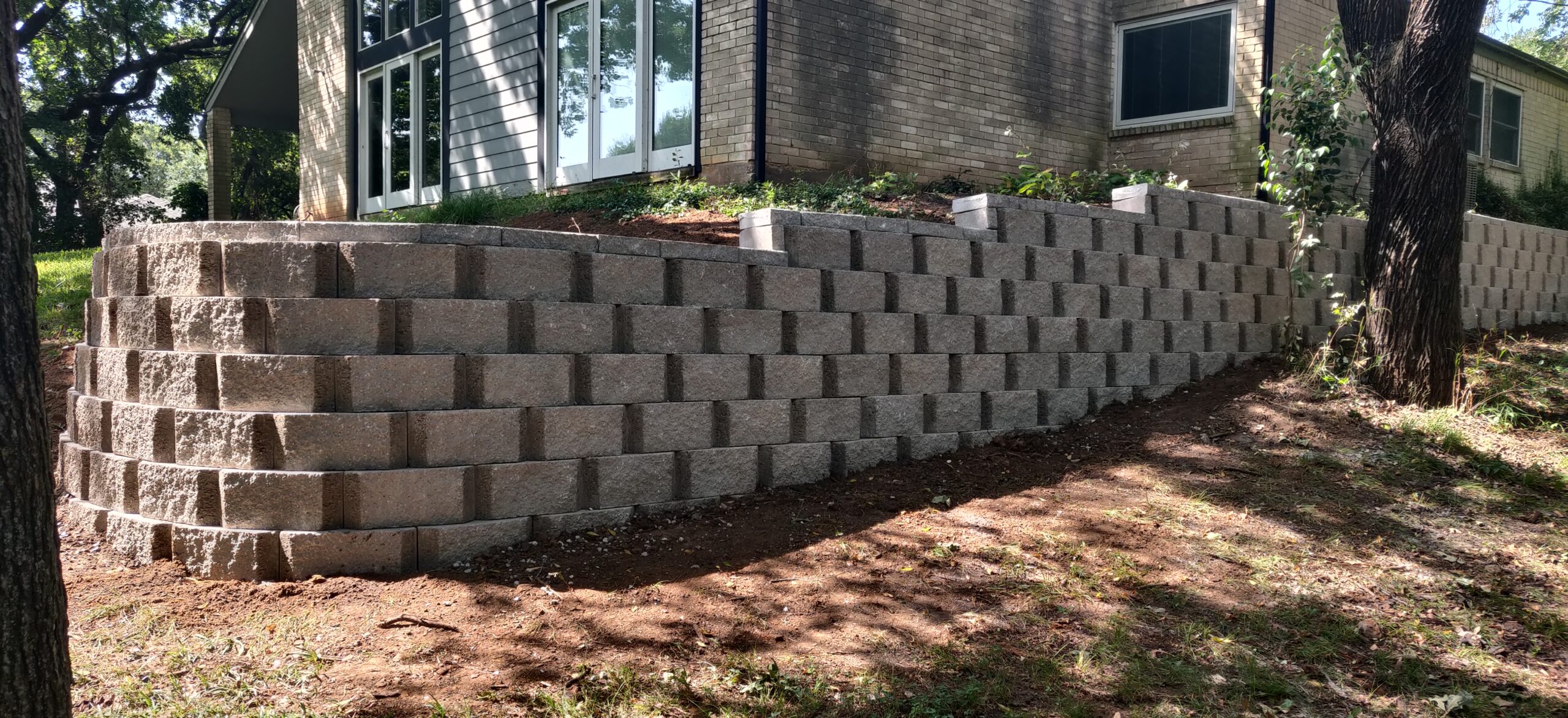
Concrete block wall installation is a craft that requires precision, expertise, and a deep understanding of both structural integrity and aesthetic appeal. In Texas, where the climate can present unique challenges, choosing the right materials and techniques is crucial for the longevity and functionality of retaining walls. This article delves into the nuances of concrete block wall installation, highlighting the key considerations for ensuring a robust and visually appealing outcome.
Understanding the Basics of Concrete Block Wall Installation
Selection of Materials
Choosing the right materials is the foundation of any successful concrete block wall project. The materials must withstand the Texas climate, which can vary from dry heat to sudden rainfall. Key considerations include:
- Durability: Opt for high-quality blocks that resist weathering and erosion.
- Compatibility: Ensure that materials are compatible with the surrounding environment and soil conditions.
- Aesthetic Appeal: Consider the visual impact of material choices on the overall landscape design.
To explore advanced guides and tips on selecting the right materials, discover expert strategies here.
Design and Planning
The design and planning phase is critical to the success of a concrete block wall. This involves a thorough analysis of the site and a strategic approach to the wall’s design:
- Site Assessment: Evaluate the topography, soil type, and drainage requirements.
- Structural Design: Ensure the design accommodates the intended load and purpose of the wall.
- Permits and Regulations: Adhere to local building codes and obtain necessary permits.
For more detailed information on planning a retaining wall, find out more about this approach.
Installation Techniques: Ensuring Longevity and Stability
Foundation Preparation
A strong foundation is the backbone of any concrete block wall. Proper preparation involves:
- Excavation: Carefully remove soil to create a stable base for the wall.
- Compaction: Compact the soil to prevent settling and provide a solid support base.
- Leveling: Ensure the foundation is level to avoid structural weaknesses.
To learn about tailored solutions for foundation preparation, explore advanced guides and tips.
Block Laying and Alignment
Precision in block laying and alignment is essential for the wall’s structural integrity and overall appearance:
- Consistent Mortar Application: Apply mortar uniformly to ensure strong adhesion between blocks.
- Alignment: Use tools such as levels and strings to maintain perfect alignment.
- Staggered Joints: Employ staggered joints in block placement for enhanced stability.
For comprehensive insights into block laying techniques, learn about our tailored solutions.
Maintenance and Longevity
Regular Inspection and Repairs
Maintaining a concrete block wall involves regular inspections to identify and repair any damage early:
- Visual Checks: Regularly inspect for cracks, bulges, or signs of wear.
- Drainage Maintenance: Ensure proper drainage to prevent water accumulation and pressure buildup.
- Timely Repairs: Address any issues promptly to maintain the wall’s integrity.
Explore more about maintaining concrete block walls through expert strategies.
Conclusion
The installation of concrete block walls in Texas demands a meticulous approach, from selecting the right materials to ensuring precise installation techniques. By adhering to best practices and conducting regular maintenance, these walls can stand the test of time, providing both functional and aesthetic benefits. For those seeking to undertake such projects, engaging with expert resources and guides is indispensable. Learn more about effective installation strategies to ensure success in your concrete block wall endeavors.